


Changes to animal feed could supply food for one billion people

While millions around the world face the threat of famine or malnutrition, the production of feed for livestock and fish is tying up limited natural resources that could be used to produce food for people. New research from Aalto University, published in shows how adjustment to the feeding of livestock and fish could maintain production while making more food available for people. These relatively simple changes would increase the global food supply significantly, providing calories for up to 13% more people without requiring any increase in natural resource use or major dietary changes.
Currently, roughly a third of cereal crop production is used as animal feed, and about a quarter of captured fish aren’t used to feed people. Matti Kummu, an associate professor of global water and food issues at Aalto, led a team that investigated the potential of using crop residues and food by-products in livestock and aquaculture production, freeing up the human-usable material to feed people.
‘This was the first time anyone has collected the food and feed flows in this detail globally, from both terrestrial and aquatic systems, and combined them together. That let us understand how much of the food by-products and residues is already in use, which was the first step to determining the untapped potential,’ explains Kummu.
The team analysed the flow of food and feed, as well as their by-products and residues, through the global food production system. They then identified ways to shift these flows to produce a better outcome. For example, livestock and farmed fish could be fed food system by-products, such as sugar beet or citrus pulp, fish and livestock by-products or even crop residues, instead of materials that are fit for human use.
With these changes, up to 10-26% of total cereal production and 17 million tons of fish (~11% of the current seafood supply) could be redirected from animal feed to human use. Depending on the precise scenario, the gains in food supply would be 6-13% in terms of caloric content and 9-15% in terms of protein content. ‘That may not sound like a lot, but that’s food for up to about one billion people,’ says Aalto’s Vilma Sandström, the first author of the study.
These findings dovetail nicely with earlier work from Kummu’s group on , from production, transport and storage through to consumer waste. ‘In that study, we showed that reducing food loss and waste by half would increase the food supply by about 12%. Combined with using by-products as feed, that would be about one-quarter more food,’ he says.
Changes in supply chains and consumption
Some of the changes, such as feeding crop residues to livestock, would lead to a drop in livestock productivity, but the researchers accounted for that in their analysis. Another challenge is that the human-edible food currently used in livestock production and aquaculture is different from the food people are used to. For example, a different variety of corn is used in feed industries and some of the grains are lower quality, while the fish used in fishmeal production tend to be small, bony fish that currently aren’t popular with consumers.
However, overcoming these hurdles could result in substantial gains. Realising these benefits would require some adjustments in supply chains. ‘For example, we’d need to reorganise the food system so that the industries and producers with by-products can find the livestock and aquaculture producers who would need them. And some of the by-products would need processing prior to using them as feed,’ says Sandström.
‘I don't think there’s any serious problem with doing this. What we’re suggesting is already being done on a certain scale and in some areas, so it’s not something that would have to be developed from scratch. We just need to adjust the current system and increase the scale of those practices,’ Kummu concludes.
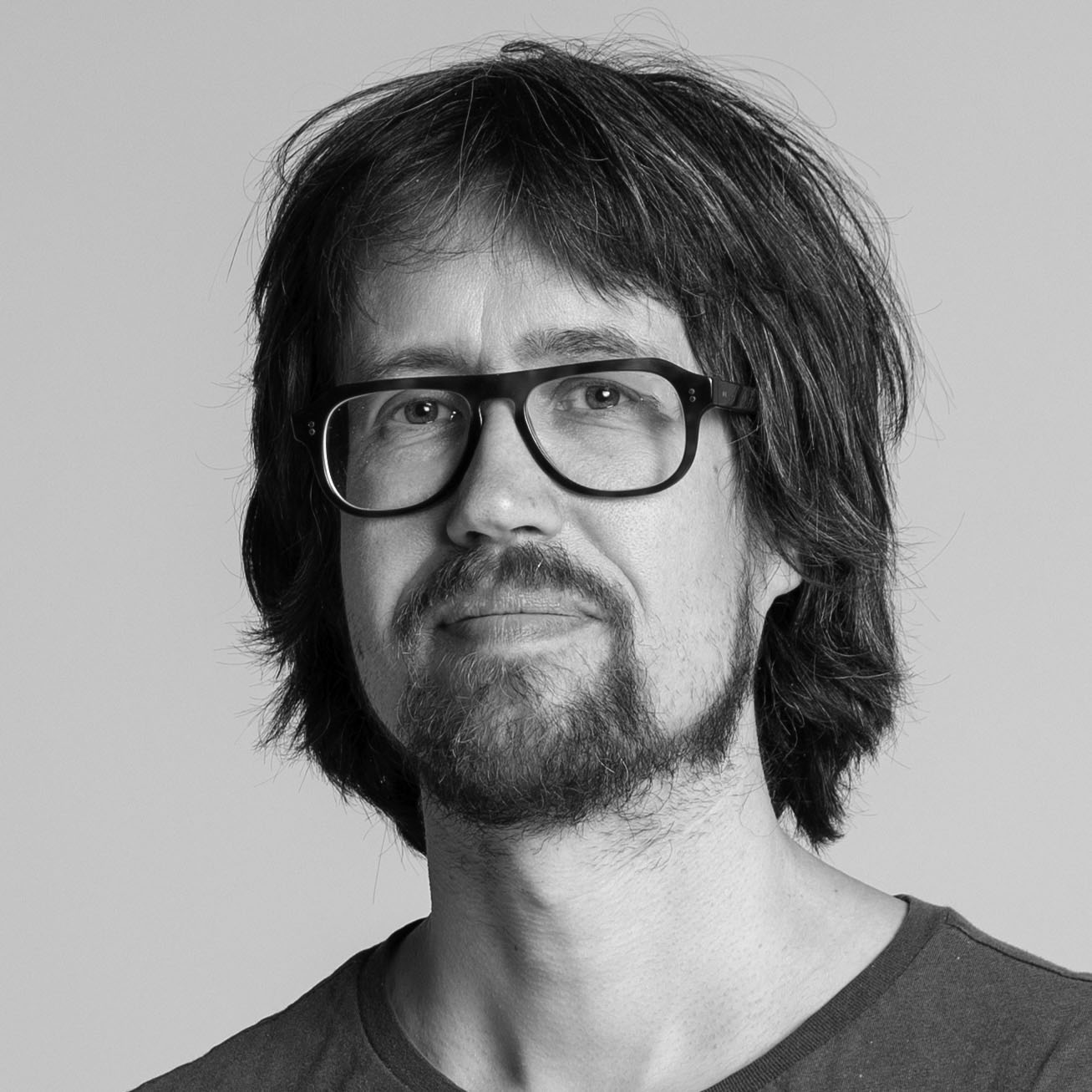
Professor Matti Kummu: How to provide enough sustainable food for all?
'Countries have different opportunities to reach sustainability in food supply, but a global U-turn is needed', he emphasises.

Climate change threatens one-third of global food production
New estimates show that if greenhouse gases continue growing at current rates, large regions at risk of being pushed into climate conditions in which no food is grown today.

Read more news

Would you like a small piece of future design history — shimmering wood?
Coming to the Aalto University Shop this September: a limited batch of 20 unique, handmade works by Shimber, crafted entirely from wood. Each piece is finished with Shimber’s wood‑based structural colour — a material that makes the surface shimmer and come alive with the light.
Panu Miettinen Explores the Journey from Research to Business
Introduced the R2B funding instrument.
Sweden’s Crown Princess Victoria and Prince Daniel explored quantum, space and ice research during their visit at Aalto University
The purpose of the visit on Friday 21 August 2026 was to enhance cooperation between Finland and Sweden in the areas of research, education and innovation.