


Exhibition illustrating digital university

Today's university requires advanced digital infrastructure and digital services. Aalto University invests heavily in digitalisation. The exhibition Towards a Digital University presents 11 cases illustrating this project within three themes: teaching and learning, research and innovation, and digital campus.
Teaching and learning
Digitalisation is changing the ways of teaching and learning. Attendance at lecture halls can change to virtual world or distance learning and tangible tools to electronic ones.
The video Digital teaching and learning tools introduces the following services: learning platform MyCourses, student registers Oodi and SISU, media service Panopto, e-examination service EXAM, and appointment service VIHTA.
The 3D-Chem VR program teaches chemistry. It allows you to study the interaction of molecules in a three-dimensional form. The programme uses virtual reality (VR) and mixed reality (MR) technologies.
VR Hub is a 35 square meter space at the Harald Herlin Learning Centre, where you can make extended reality (XR) productions. The space is presented by video at the exhibition and can be booked with the Aalto user ID.
Research and innovations
Digitalisation enables research results to be applied to business practices more efficiently, facilitates the commercialisation of results and improves decision-making processes. Technologies also change data collection, for example, so that anyone can participate in the research. Quantum Garden is an example of this. It is an interactive installation but, at the same time, part of a research project. Touching the work can help solve an important quantum physics research problem. The installation by a game artist Robin Baumgarten has been designed in cooperation with the physicists of the Finnish Center for Quantum Technology, led by Professor Sabrina Maniscalco of Aalto University and the University of Turku.
ACRIS and Etsimo: Aalto University's publication database ACRIS has been merged with Etsimo Oy's visual search engine. With it, the university's own researchers and artists as well as various collaborators can easily find information on research teams and innovations of the university.
Banana Boy is an example of a digitised art object. Digitisation can improve the availability of archive collections and bring them online for everyone. The archive of Aalto University has digitised over 200 000 drawings and photographs. In addition, works of art have been digitised by 3D scanning: for example, a collection of ceramic and glass art students consists of 3 000 works that have been collected since 1963. 3D scanning allows you to explore archival items in a new way. By downloading the Zappar app on your phone, you can see what Paula Blåfield's student work Banana Boy from 1983 looks like.
Digital campus
Digitalisation also affects the physical environment, premises and their usability. A digital campus means that, for example, space reservations, access control and navigation are available real-time on mobile devices – and that there is a fast and reliable communications network everywhere.
The Aalto Space mobile app allows the user to navigate on campus, book spaces and get real-time information about them. Power BI Visualizations showcase the utilisation of university facilities. The data has been collected by looking at the start and expiration points of space reservations.
5G H-P is a combination of 5G technology and industrial internet. The work illustrates the "slicing" of the 5G network – how the two mobile devices connected to the same mobile network utilise their own independent bandwidth. This is an example of Aalto's Industrial Internet Campus (AIIC) and the 5G pilot network to be built in Otaniemi.
Towards a Digital University is on display at the Aalto University's main building Dipoli (address Otakaari 24, Espoo) until 7 June.
Opening hours Mon–Thu 7.45–20.00, Fri 7.45–18.00, Sat 10.30–15.00.
Exhibition team: Jose Costa, Ani-Jatta Immonen, Juha Juvonen, Kalle Kataila, Nadia Koski, Patrik Maltusch, Brad Mullen, Emery L. Norton, Timo Ovaska, Outi Turpeinen.
More information
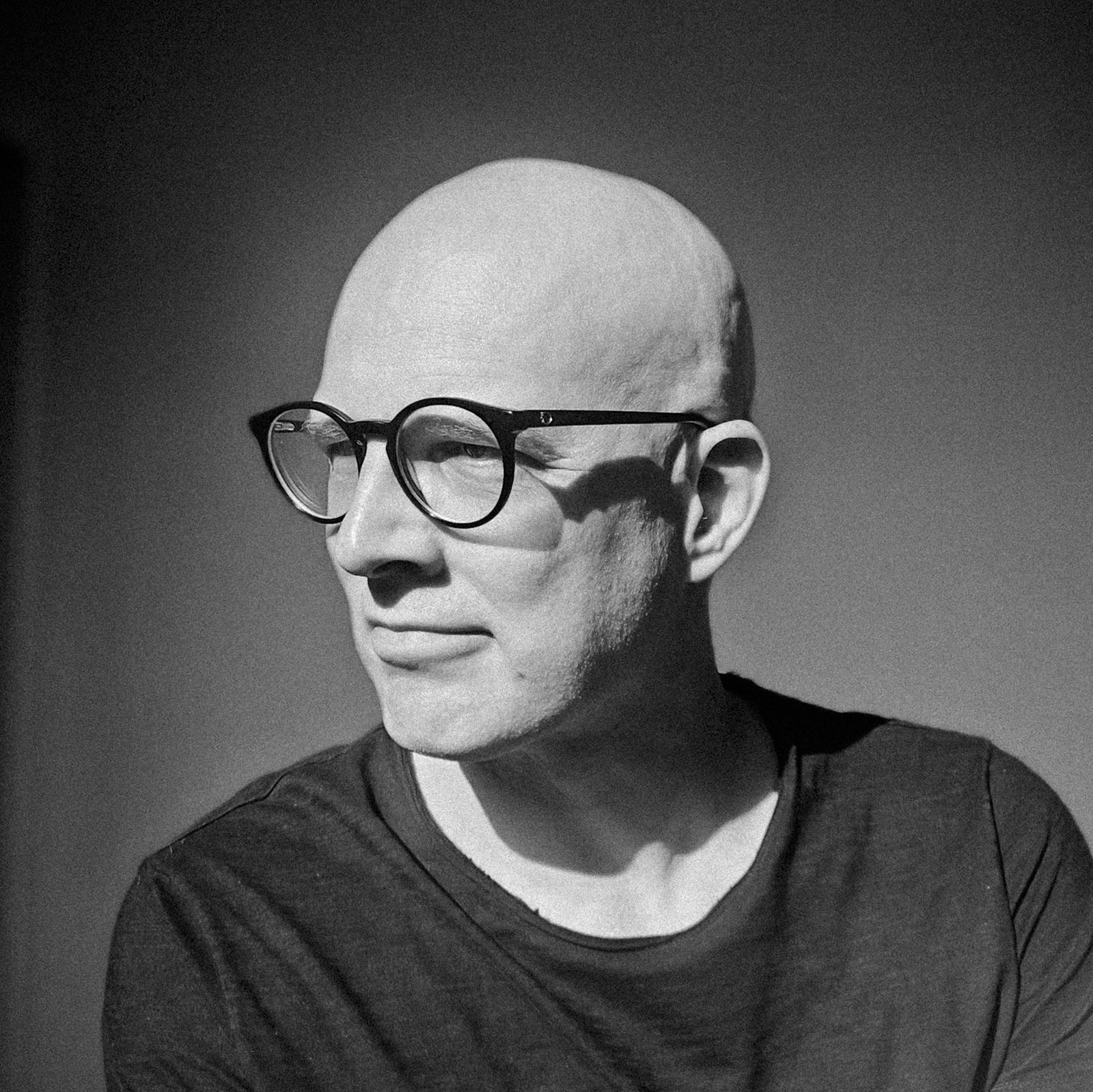
Juha Juvonen
Read more news

Aalto University ranks 126th in the world in QS World University Rankings
Aalto performs best in the employment outcomes and sustainability indicators.
Greater choice of language studies for students – four universities in the Helsinki Metropolitan Area open up language provision
Aalto University, The University of Helsinki, the University of the Arts Helsinki and Hanken School of Economics have launched a new network to promote language learning.
Textile Chemistry Group Highlights advances in sustainable textile research at Summer Meeting
The Textile Chemistry Group at Aalto University held its annual Summer Meeting on Friday, June 12.