


Droplet Instruments

Status:
SDGs:
Industry:
Impact:
Origin:
School:
Established:
Accurate measurement of stiction and adhesion forces is crucial for developing miniaturized electronic devices, modern implants, new nano-based formulations, and quality assurance in manufacturing, particularly in the burgeoning Micro-Electro-Mechanical Systems (MEMS) market.
With MEMS playing a vital role in smartphones, automotive sensors, and medical devices, precise control over stiction is essential. The imminent EU ban on fluorocarbons intensifies the need for alternative coatings to reduce stiction, necessitating reliable stiction measurement tools. Our proposed ULTRAFORCE sensor offers a universal solution, precisely measuring adhesion, stiction, bioadhesion, and other quantities across various domains. Its advantages over existing alternatives include a broader force range, diverse probes, robustness, extended probe head lifespan, and advanced analytical algorithms, promising to elevate the quality and reliability of diverse applications.
Contact
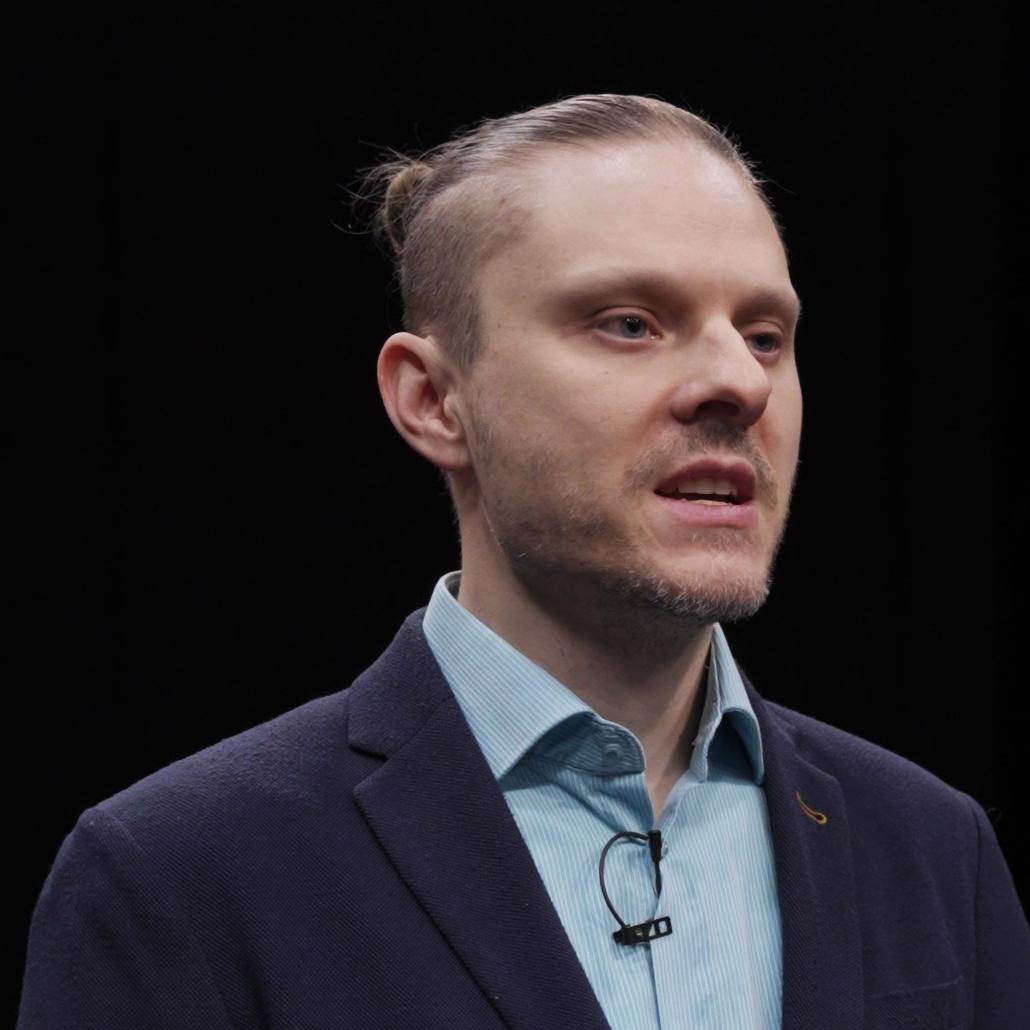
Ilkka Hyyti盲inen
Read more about innovation services


News from innovation ecosystem

When there is no proof, the story is the evidence 鈥� a new Founder Storytelling course at Aalto University
A new course at Aalto University teaches aspiring founders how to build, adapt and deliver the story behind their venture 鈥� before the traction, revenue and track record exist.
Take your first steps as a founder 鈥� in just six weeks
A new Founder Principles course at Aalto University gives students the tools, mindset and hands-on experience to start building 鈥� with AI as a co-founder from day one.
The Dean of the School of Business will honor students for their outstanding contributions to promoting sustainable development
The Dean鈥檚 Impact Award is intended to show appreciation for promoting sustainable development and activities in line with Aalto鈥檚 values