


Major funding powers development of next-generation machine technology aimed at productivity leap in export sectors

Started in autumn 2025, the research project BEST (Better Bearing, Seal, and Vibration Technology) develops new types of sealing, bearing, and damping technologies, which are expected to have a significant impact on the reliability, quality, and efficiency of production in several export-driven industries in Finland.
The three-year research project aims to develop next-generation machine technologies to enable smoother, more reliable, and energy-efficient operation of machines across different industrial sectors. The BEST project has received two million euros in funding from Business Finland.
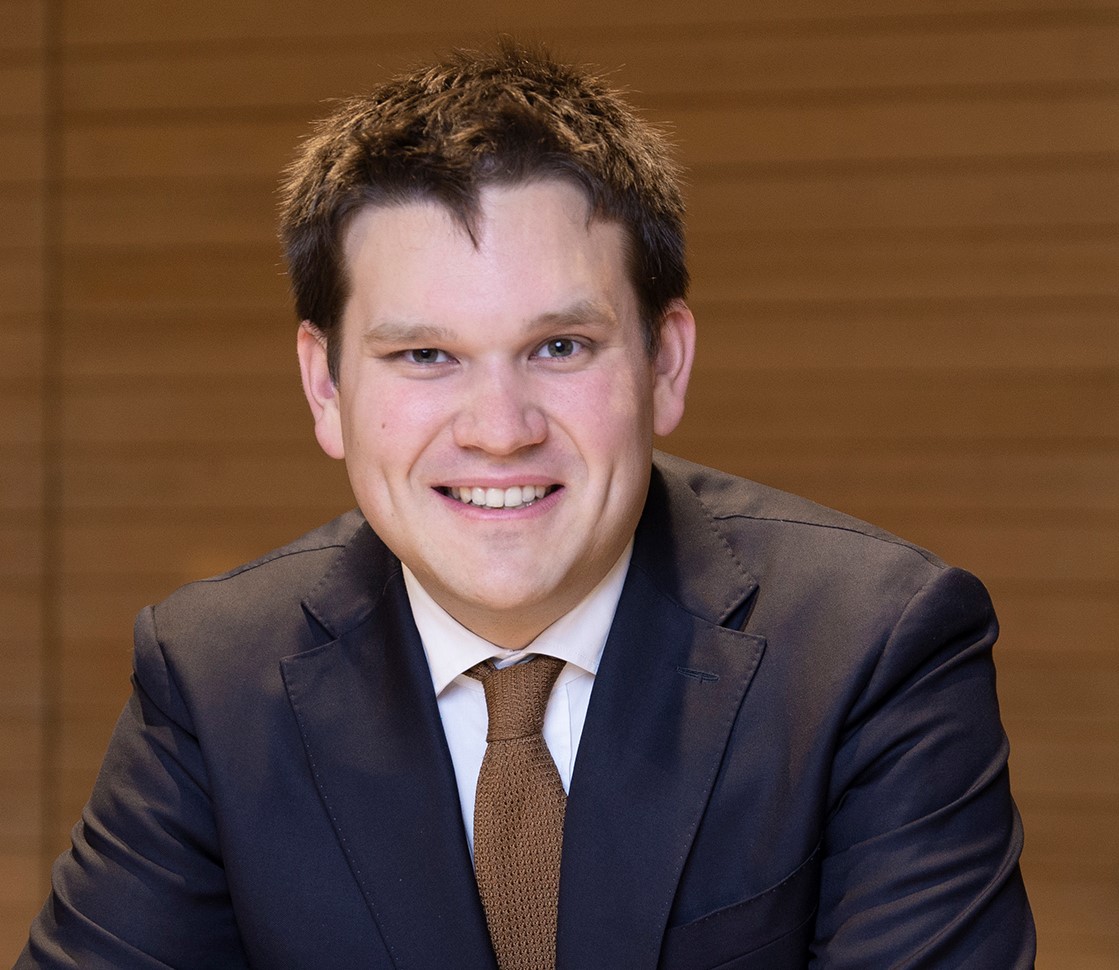
'Our project is particularly interesting for its exceptional impact on several industrial sectors simultaneously. The sealing, bearing, and damping technologies we are developing can be applied across industries ranging from the maritime and paperboard industries to electronics and energy storage,' says Raine Viitala, the assistant professor of mechatronics leading the project at Aalto University School of Engineering.
The project is being carried out in close collaboration with corporate partners, which include Kongsberg Maritime, Valmet, Tiivistetekniikka, Tiivistekeskus, Rosendahl Nextrom, Vibrol, Teraloop, and Wärtsilä, which is participating through its Veturi initiative. The aim is to generate not just new knowledge, but also concrete prototypes and solutions ready for commercialisation. The new technologies under development can significantly drive forward the green transition and digitalisation as well as spur the growth of Finnish mechanical engineering industries through new products, licensing, and service innovations.
'Sealing, friction, and vibration set requirements for almost any mechanical system. They are reflected in the high energy consumption, frequent maintenance schedules, and poor performance of machines. Through new technologies, we can improve the efficiency of manufacturing and reduce its environmental impact,’ Viitala says.
For example, the drying processes used in the manufacture of paper and cardboard consume a vast amount of energy. Drying with superheated steam could bring significant energy savings, but current sealing technologies can not support it. The BEST project investigates sealing steam dryers by using gas bearings, for which a 3D printing-based manufacturing method is also being developed.
For the maritime industry, solutions are being sought to dampen engine vibrations. A wire rope damper is being developed as a Finnish challenger to current damping technologies, with the competitive advantage of low cost and reduced maintenance requirements.
'The same damping solution is also applicable to icebreakers, where a vessel’s propulsion machinery is subjected to vibrations when the propeller hits ice, for example. There are still multiple application areas outside the scope of this project as well,’ Viitala concludes.
Further information
Read more news
International educational project at Aalto University funded by the TFK Programme
The Bio-Design for Low Carbon Architecture (Bio-LCArch) project is a collaborative initiative between Aalto University in Finland and Beijing Jiaotong University in China, geared toward demonstrating how bio-based materials can facilitate the construction industry's transition to net-zero emissions.
Coming soon, ARTEFAKTI26 (3.-9.9.2026)
ARTEFAKTI returns for the fourth year to Helsinki Design Week from the 3rd to 9th of September 2026 at Puristamo hall in Kaapelitehdas
A!BP attends the 14th Nordic Symposium on Building Physics
On 08.06-10.06, the A!BP research group attended NSB 2026 in Tampere, contributing to the conference with scientific presentations and collaborative workshops on bio-based materials.