


Research collaboration and innovations
Research collaboration with Aalto starts often from a single project but it may also develop into a long-term strategic partnership.

Before a fuel hits the market, its properties and combustion in the engine are carefully tested. This has mainly been based on experimental research on internal combustion engines, which is expensive and time-consuming. Neste, the world's leading producer of renewable jet fuel and renewable diesel, wanted to change this.
"Although fuels have been studied for over a hundred years, certain aspects still needed to be verified through practical experiments. We wanted to bring our fuel research into the digital age and explore the possibilities that digital modelling could bring to fuel development and testing," says Petri Lehmus, Vice President of Research and Development at Neste.
Neste and Aalto joined forces in a three-year Digifuels project, which combined traditional chemistry and engineering expertise with the latest digital solutions. The project, led by Associate Professor Annukka Santasalo-Aarnio, also resulted in the publication of four doctoral theses, four master鈥檚 theses and 15 research articles.
As a result of the close collaboration, Neste is now using machine learning-based digital tools for predicting fuel quality, which brings significant benefits to the company's production.
"The new tools are clearly more accurate than the old ones, which can bring us continuous and significant financial benefits in high volumes - we are talking about millions of euros annually," says Teemu Sarjovaara, Neste鈥檚 Head of R&D, Products and Applications. "So the collaboration brings us considerably more value than what its costs were."
"Another important factor is that the expertise of our strategic partner Aalto in relation to fuels was strengthened during the project, which will also benefit us in the future."
Teemu Sarjovaara, NesteWe saw that we were on the verge of something significant.
According to Neste, there were several keys to the successful collaboration. Both parties were committed to the project in the long-term, and expertise was shared mutually, respecting each other鈥檚 strengths and needs.
"At Aalto, it was well understood how important the business motive is for a company when it comes to cooperation. On the other hand, the university's need to publish research was kept in mind from the beginning. At first, building a common understanding of the topic took some time. After that, the results started coming in incredibly quickly, and we saw that we were on the verge of something significant," Sarjovaara explains.
One of benefits of the university collaboration for Neste has also been recruiting new talent and strengthening its employer brand.
"After the project ended, we recruited people from Aalto who had been involved in the collaboration. Recruitment was easier because we already knew the participants and they were familiar with our research topics. I also believe that our active presence at events and more open sharing of our research during the cooperation project may have sparked the interest of students and researchers," says Anna Karvo, who served as the project鈥檚 manager at Neste.
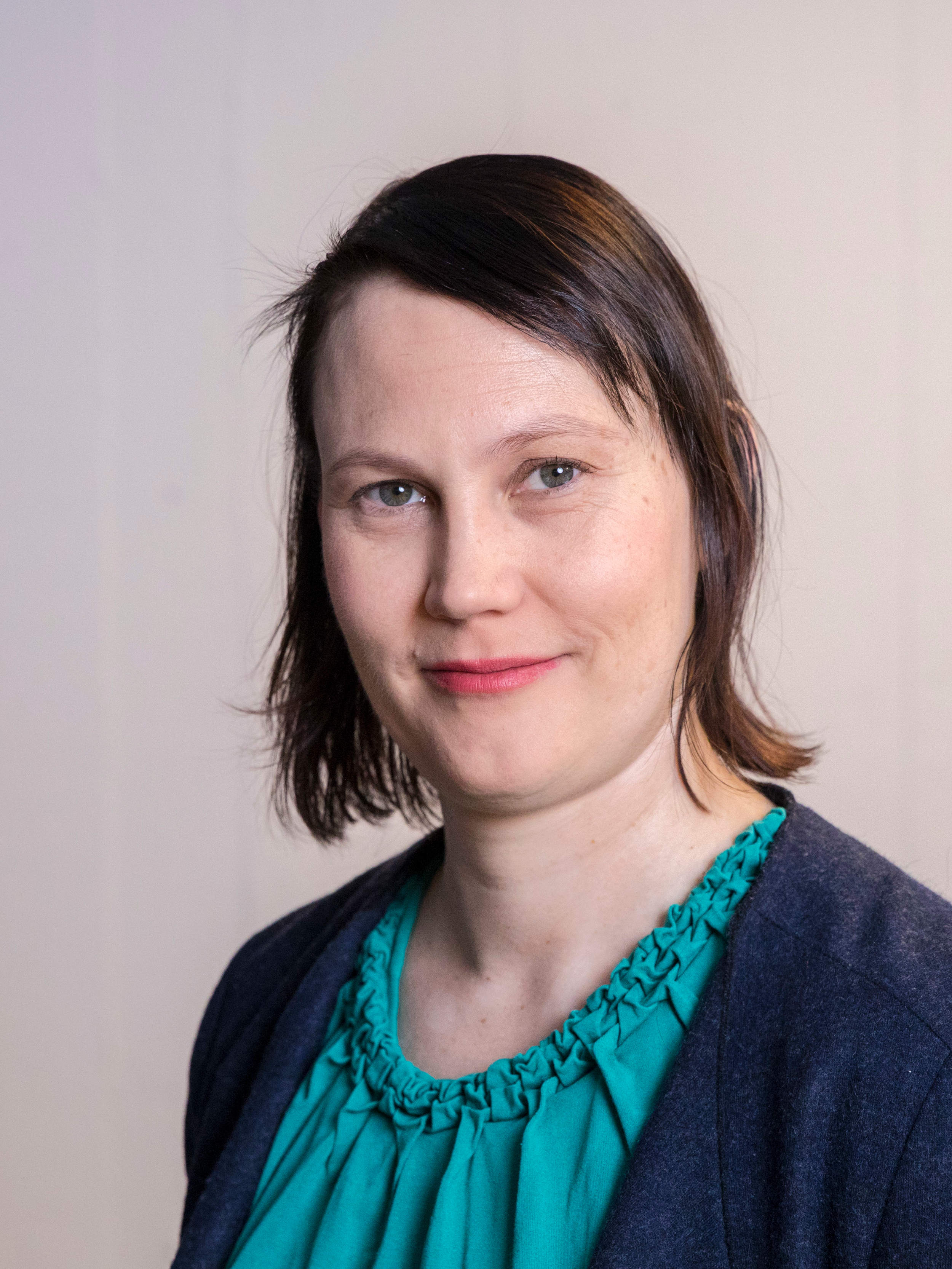

Research collaboration with Aalto starts often from a single project but it may also develop into a long-term strategic partnership.

In collaboration, Aalto University and Neste strive to find solutions to major global challenges by combining high-level research with leading industrial expertise.


