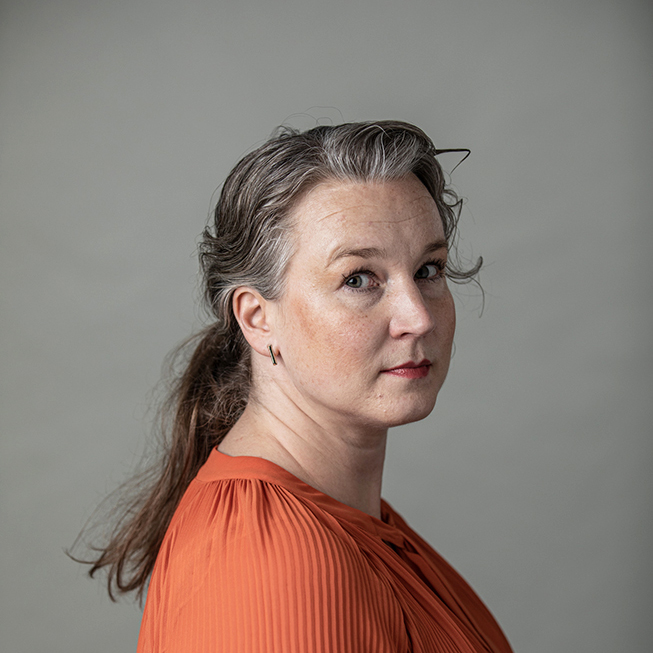
Finnish companies are full of creative potential but much of it remains underutilised. The bottleneck is not in people鈥檚 creativity, but in organisations鈥欌�痑bility and leadership capacity to support and harness it. 鈥淎 lack of time and resources makes it nearly impossible to experiment with new ideas. Structural barriers, efficiency-driven cultures and a low tolerance for risk and uncertainty all inhibit creativity. As a result, creative ideas often remain half-realized, and it seems that leadership is the decisive factor鈥�, researcher Susanna Rahkamo explains. Together with one of the world鈥檚 leading creativity scholar, cognitive psychologist鈥痑nd Visiting Professor at Aalto University, Mark Runco, they have studied how creativity can be measured on both individual and organisational levels and concluded that creativity is scientifically measurable in concrete terms and that it correlates directly with key business performance indicators.
Creativity often emerges during surprisingly mundane encounters like coffee breaks, lunches or between meetings. 鈥淚t鈥檚 precisely in these informal interactions that the鈥�magic鈥痟appens 鈥� the conditions wherecreativity thrives鈥�, says researcher鈥�Ana Paula Lafaire, who, together with Professor鈥�Astrid Huopalainen and Doctoral Researcher Maria Uusitalo, have researched how creativity emerges in the everyday.
Although creative insights often arise by chance, organisations can create conditions for creativity by fostering psychologically safe atmospheres, encouraging experimentation and idea-sharing, nurturing diverse ideas and designing spaces and processes that genuinely support collaboration and flexibility. Employees feel encouraged to foster collective creativity when their opinions matter and schedules breathe. 鈥淪pontaneous encounters in hallways, humour and a shared understanding that uncertainty is part of the process and failure is acceptable 鈥� these are the small things that disrupt linearity and acceleration. That鈥檚 when creative ideas are most likely to surface and flourish鈥�, Lafaire notes.
鈥淭he role of leadership is to strengthen a culture built on shared purpose and action, one that enables genuine encounters between employees and makes people feel seen and heard鈥�, Huopalainen adds.