


Online training helps quantum researchers get new tech from the laboratory into commercial products

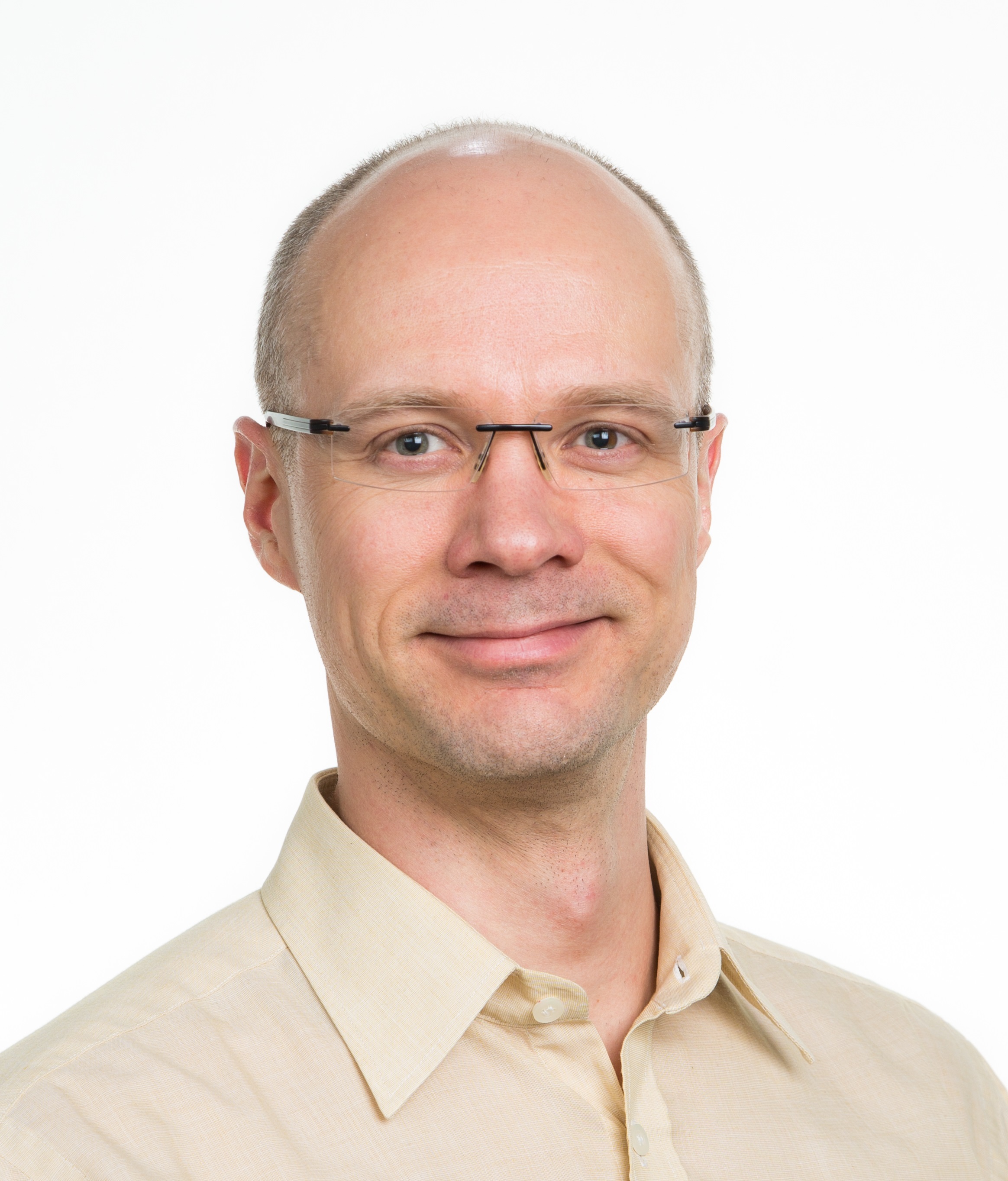
Researcher, lecturer, and innovation agent Janne Halme and academic coordinator Minna G眉nes held a two-day online training event on entrepreneurship for researchers in quantum technology and electronics. The training comprised expert testimonies presented by a range of experts including, deep-tech chief executives, patent specialists, technology investors, business incubators, and universities. The IPR and entrepreneurship training was organized by Aalto University and for the first time this November.
People speaking at the event included Arttu Luukanen, CEO of Asqella, and Jan Goetz, CEO of IQM, who both have background in nano and quantum electronics research.
鈥極bstacles to entrepreneurship include a lack of examples and entrepreneurial thinking, and the inability of a researcher to visualise the path from an idea to a product. Correspondingly, interest in entrepreneurship is clearly greater if the path from an idea to a product is lucid鈥�, says Janne Halme.
The entrepreneurship training was primarily directed at experts of quantum technology and electronics, such as doctoral students in the QuESTech programme (European Quantum Electronics Science & Technology). The training covered the most important steps an entrepreneur should take from an invention all the way to commercialisation. One possible route from researcher to entrepreneur is Business Finland's Research to Business funding. There are now three of these projects underway at the Aalto University Department of Applied Physics, which helps prepare commercialisation of research ideas.
鈥業 became interested in science and technical research during my studies. Previously I did not consider commercialisation to be intellectually interesting in any way. Now that I understand what entrepreneurship is, I see it primarily as an intellectually intriguing activity. An entrepreneur also models and performs experiments to build a kind of machine: the business model鈥�, Halme says.
In addition to their area of research, entrepreneurs must also understand how the industry in question functions. 鈥楢n entrepreneur and an inventor differ in that the entrepreneur is ready to let go of an invention after noticing that the customers want something different鈥�, Halme says.

A commercialisation project leans on its own area of knowledge
Janne Halme studies solar cells at the Department of Applied Physics at Aalto University. Halme also has an ongoing Business Finland Co-Innovation project involving cooperation with businesses. The project integrates solar cells with textile products.
鈥楥ommercialisation projects are launched from one鈥檚 own area of expertise. In this project the main application for solar cells is in work clothes and smart textiles with the aim of improving the safety of employees鈥�, Halme says.
Launched in 2019, the project includes companies and products such as Foxa (fabrics), Lindstr枚m (textile services), and Haltian (wearable electronics).
鈥楾extile design is an important part of our project. The research involves close cooperation with the Department of Design at Aalto University. In our solution, the textile protects the solar cells against water and external stress, and makes it cloth-like. Solar cells can make a textile electronics product energy-autonomous: it can function independently for an exceptionally long time without maintenance. At the same time the product's reliability, usability, and safety improve. Thin solar cells also sit much better with textile products than larger and heavier batteries鈥�, Halme says.
Halme has also acquainted himself with entrepreneurship teaching while coordinating and teaching the Aalto master's programme Advanced Materials for Innovation and Sustainability (AMIS).
鈥業t has been fun to observe that teaching entrepreneurship and commercialization of research results is largely the same regardless the field of research involved. A textile designer and quantum physicist could easily participate in the same entrepreneurship course.鈥�
Further information:
Read more news

Register now for Inventors in AI, biotechnology or the new multidisciplinary cohort
Three innovation trainings are coming up this fall and registration is now open for all Aalto researchers!
AI model captures how humans read, paving the way to personalised text and better augmented reality
The new model could hold the key to developing highly customisable applications that adapt to different types of reader
International educational project at Aalto University funded by the TFK Programme
The Bio-Design for Low Carbon Architecture (Bio-LCArch) project is a collaborative initiative between Aalto University in Finland and Beijing Jiaotong University in China, geared toward demonstrating how bio-based materials can facilitate the construction industry's transition to net-zero emissions.